
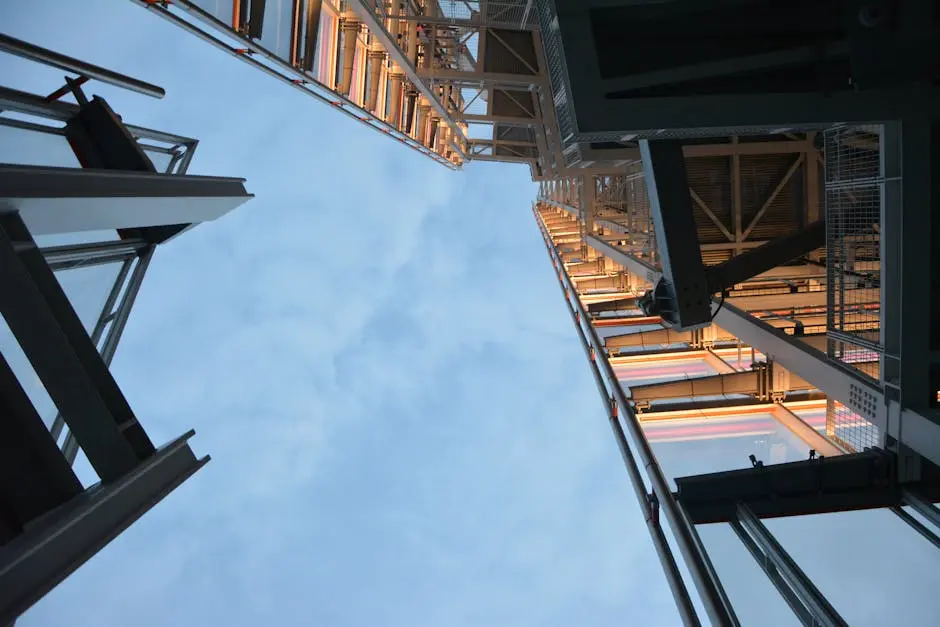
In the evolving landscape of construction, innovation plays a critical role, particularly in New Zealand’s steel construction industry. In this blog, we’ll explore how innovative methods and technologies are shaping the future of steel construction, enhancing efficiency, sustainability, and safety.

Understanding the Importance of Innovation in Construction
Innovation is essential for the advancement of any industry, and the construction sector is no exception. In New Zealand, the push for innovative practices in steel construction has opened doors to new techniques that enhance productivity and reduce costs.
One of the main drivers of change within steel construction NZ is the need for efficiency. With tight deadlines and competitive markets, construction companies are constantly looking for ways to streamline their processes. Innovative methods, such as modular construction, allow for components to be fabricated off-site and assembled rapidly on-site, cutting down project time significantly. This not only improves efficiency but also minimizes disruption to the surrounding community.
Moreover, the growing demand for sustainable building practices has necessitated innovation. In an era where environmental awareness is paramount, the steel construction industry is adapting by pursuing eco-friendly materials and processes. These new approaches not only contribute to the well-being of the planet but often result in reduced operating costs due to lower energy consumption.
Innovation also fosters a culture of continuous improvement. Each new technology or method introduced into steel construction NZ provides valuable learning opportunities. By embracing change and seeking out innovative solutions, companies can remain agile, adapt to evolving market demands, and better serve their clients.
Key Innovations Reshaping Steel Construction in NZ
From advanced prefabrication methods to the integration of Building Information Modeling (BIM), these innovations are revolutionizing how steel structures are designed and built. This section will delve into some of the most impactful innovations currently being implemented.
One groundbreaking innovation reshaping the steel construction landscape in NZ is the increased use of 3D printing technology. This not only allows for rapid prototyping but also enables the production of complex designs that were once seen as impractical. By reducing material waste and enhancing the precision of building components, 3D printing is setting new standards in quality and efficiency.
In addition to 3D printing, drones are becoming essential tools for construction site monitoring and inspection. These unmanned aerial vehicles can capture high-resolution images and data, allowing project managers to assess progress accurately and quickly identify potential issues. The ability to monitor sites in real-time ensures timely decision-making and saves time and resources.
Equally significant is the rise of augmented reality (AR) in steel construction. AR allows workers to visualize complex designs in real dimensions before actual construction begins. This capability not only enhances collaboration among team members but also reduces the likelihood of costly mistakes during the building process.
The Role of Sustainability in Innovative Practices
As the construction industry seeks to minimize its carbon footprint, innovative practices that focus on sustainability are becoming increasingly important. This section will discuss how NZ’s steel construction industry is responding to environmental concerns through innovation.
Sustainability is about more than just using green materials—it’s also about how we utilize existing resources. Innovative recycling practices, such as the reusing of steel from deconstructed buildings, play a pivotal role in reducing waste. By understanding the lifecycle of materials, companies can create a more circular economy within the construction sector.
Moreover, energy-efficient designs are influencing the way steel buildings are constructed. Implementing passive solar design strategies, coupled with high-performance insulation materials, means new steel structures not only comply with stringent environmental regulations but may well exceed them. This proactive stance towards greener practices strengthens the industry’s reputation and opens up new opportunities for eco-conscious clients.
The integration of renewable energy systems, such as solar panels and wind turbines, into steel buildings is another step towards sustainability. By designing steel structures that incorporate these technologies from the outset, construction companies can facilitate energy independence for future occupants, benefiting both the environment and the building’s lifecycle costs.
Safety Improvements through Technological Advancements
Safety is paramount in construction, and technology plays a significant role in enhancing safety protocols. Here, we will explore how innovations such as drones and AI-driven safety monitoring systems are making steel construction projects safer.
The use of advanced monitoring systems equipped with AI has become increasingly prevalent on construction sites. These systems analyze real-time data to predict potential hazards and suggest preventive measures. By utilizing predictive analytics, project managers can identify issues before they escalate into dangerous situations, ultimately safeguarding workers.
Additionally, wearable technology, such as smart helmets and safety goggles, is revolutionizing personal safety on sites. These devices can monitor vital signs and alert workers when they are in harm’s way. As a result, the culture of safety in steel construction NZ becomes more proactive rather than reactive, leading to fewer accidents and injuries.
Furthermore, thorough training programs are enhancing worker safety. Virtual reality (VR) training simulations allow employees to experience real-world scenarios without actual danger. They can learn how to handle equipment safely or react to emergencies, significantly reducing the risk of accidents when they operate in real environments.
Future Trends in Steel Construction Innovation
Looking ahead, the steel construction industry in NZ is poised for further advancements. This section will highlight emerging trends and predicted innovations that could redefine construction practices in the coming years.
One trend that is gaining momentum is the adoption of artificial intelligence for project management. Utilizing AI algorithms to analyze project timelines, budgets, and resource allocation will become a game-changer. This smart approach can enhance decision-making, optimize operations, and ultimately lead to substantial cost savings.
Collaborative platforms and cloud technologies are also expected to dominate the future of steel construction. By allowing real-time collaboration among stakeholders, these platforms will facilitate smoother communication and ensure that everyone is on the same page. This connectivity will enhance efficiency and reduce misunderstandings, contributing to faster project completions.
Finally, as urbanization continues to rise, the demand for multi-functional buildings is likely to increase. Integrating residential, commercial, and recreational spaces will require innovative steel structures that meet diverse needs. By fostering creativity and encouraging cross-sector collaboration, the future of steel construction NZ promises to be not only exciting but also transformative.
Innovating for a Sustainable Future in Steel Construction
As we have seen, innovation is not just a buzzword in the steel construction industry; it is a crucial component that drives progress and ensures that New Zealand remains at the forefront of construction practices. Embracing new technologies and methods will continue to pave the way for a more resilient and efficient future.


