
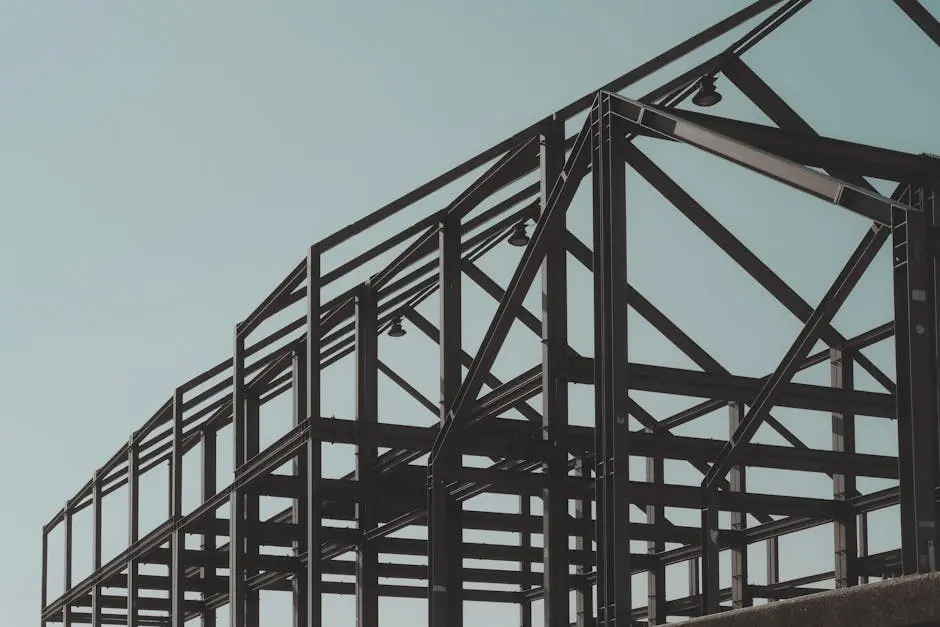
The world of construction is constantly evolving, and technology plays a pivotal role in this transformation. Specifically, in the realm of steel framing solutions, new advancements are leading to more efficient, sustainable, and cost-effective practices. Let’s dive into some of the groundbreaking technologies making waves in steel framing today.
The Role of Building Information Modeling (BIM)
Building Information Modeling (BIM) is revolutionizing the way steel framing projects are designed and executed. It allows for precise planning and collaboration among teams, reducing waste and improving overall efficiency.
By enabling virtual modeling of buildings, BIM streamlines communication between architects, engineers, and contractors. This seamless collaboration results in fewer errors and a faster project delivery timeline. In short, BIM enhances accuracy and transparency throughout the construction process.
Moreover, BIM is not just about design—it also facilitates maintenance and operational management once the project is completed. This holistic approach ensures that steel framing solutions remain effective and relevant long after the initial construction.
To illustrate, consider a large hospital project where BIM was utilized. The planning stage became significantly more efficient, leading to a reduction in material costs and time delays. Ultimately, the end product was a structurally sound and timely completed facility.
Innovations in Steel Production Techniques
Recent advancements in steel production, including improved manufacturing processes, are enabling the creation of lighter, stronger steel. This not only enhances durability but also lowers transportation costs.
Innovative techniques such as eco-friendly smelting and the use of alternative materials in steel production are also on the rise. These innovations contribute to making the materials more resilient while being kinder to the environment.
On top of this, advancements like High-Strength Low-Alloy (HSLA) steel have emerged, offering superior performance characteristics without significantly increasing weight. This provides architects and builders with more options for designing robust structures.
In the context of steel framing solutions, these production techniques allow for longer spans and taller structures, pushing the boundaries of architectural design. The result is not only beautiful but functionally sound buildings that cater to modern needs.
Integration of Robotics and Automation
The integration of robotics and automation in steel framing construction is streamlining workflows. These technologies reduce manual labor and increase precision, resulting in faster project completion times.
For instance, robotic arms are now capable of handling intricate tasks such as welding and assembly with unparalleled accuracy. This leaves human workers to focus on oversight and problem-solving, optimizing overall productivity.
Additionally, automated guided vehicles (AGVs) play a vital role in material handling on job sites. They transport steel components to where they are needed, cutting down on time spent moving materials by hand.
The benefits are clear: reduced project timelines not only decrease costs but also allow for quicker occupancy of buildings, which is particularly beneficial in industries like healthcare, where time-sensitive projects are crucial.
Use of Sustainable Materials and Practices
With a growing focus on sustainability, technology is enabling the use of recycled materials in steel framing. Additionally, advancements in energy-efficient practices are minimizing the industry’s carbon footprint.
Sustainable practices don’t stop at the materials used. Modern construction techniques, such as modular construction, allow for reduced waste during the building process. These techniques lead to shorter construction times and significantly less material debris.
Moreover, technology facilitates tracking and monitoring the lifecycle of materials. This transparency encourages construction firms to source materials from eco-conscious suppliers, further promoting sustainability in steel framing solutions.
By leaning into these sustainable innovations, construction firms are not just keeping in line with consumer demand for eco-friendly practices; they are also positioning themselves as leaders in a rapidly changing industry landscape.
Wrapping It Up
As we’ve explored, the advancements in technology are dramatically transforming steel framing solutions, paving the way for more efficient building practices. These innovations not only enhance performance but also ensure sustainability in the construction industry.


